Design-Build
One team, one contract, one point of accountability. From concept sketches through ribbon cutting.
Why Owners Choose Design-Build
The design-build model consolidates design and construction under one contract, giving you faster timelines, better cost control, and a single point of contact from start to finish.
Single-Source Accountability
No finger-pointing between architects and contractors. One team owns the entire outcome, design decisions, budget, schedule, and quality.
Faster Project Delivery
Design and construction phases overlap instead of running sequentially. We start site work and procurement while design details are being finalized, cutting months off your timeline.
Cost Certainty
Early budget involvement means fewer surprises at bid day. We value-engineer as we design, so the project you approve aligns with the budget you set.
Reduced Change Orders
When the builder is at the table during design, constructability issues get caught on paper, not in the field. Fewer surprises means fewer change orders and fewer delays.
Better Communication
One phone call, one team meeting, one point of contact. You always know who to call and you always get a straight answer. From the people doing the work.
Collaborative Problem-Solving
Issues get solved around a table, not through formal change requests between separate firms. The design-build team works together because they are one team.
Design-Build vs. Traditional Delivery
The traditional design-bid-build model separates design from construction, creating communication gaps, budget uncertainty, and longer timelines. Design-build solves all three.
| Factor | Design-Build | Traditional (DBB) |
|---|---|---|
| Contracts | Single contract | Separate design + build contracts |
| Timeline | Overlapping phases, faster | Sequential, design finishes before build starts |
| Budget Certainty | Known cost early | True cost unknown until bid day |
| Change Orders | Fewer, caught during design | More common, field conflicts |
| Communication | One point of contact | Owner mediates between teams |
| Risk | Shared team accountability | Split between separate firms |
Our Design-Build Process
Every design-build project follows a proven five-phase process that keeps you informed, in control, and confident from day one.
Needs Assessment
We start by understanding your business, how the space needs to function, what your budget looks like, and what timeline you're working toward. This initial conversation shapes everything that follows.
Conceptual Design & Budgeting
Our team develops preliminary layouts, identifies key systems, and builds a detailed budget, all before formal drawings begin. You see the full financial picture before committing to final design.
Design Development
Working with our design partners, we develop full construction documents while simultaneously value-engineering and procuring long-lead materials. Design and construction planning happen in parallel.
Construction
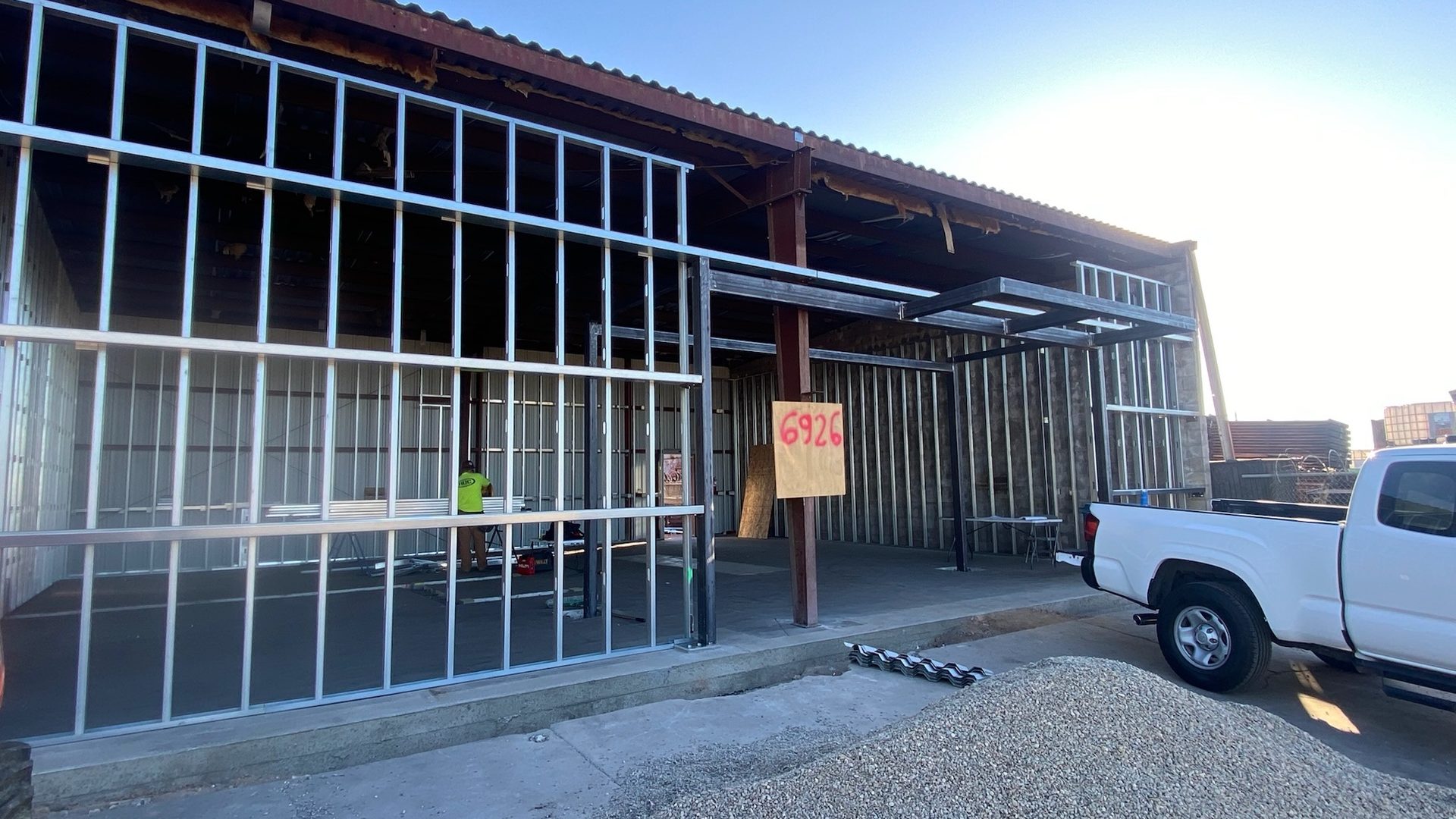
Seamless transition from design to build. The same team that designed the project builds it, meaning no information gets lost in translation. Weekly updates, transparent scheduling, and hands-on project management throughout.
Closeout & Warranty
Punch list, final inspections, commissioning, and complete warranty documentation. We're not done until you're fully operational and fully satisfied with every detail.
Design-Build Is Ideal For
Not every project needs design-build, but for the right projects, it's the most efficient and cost-effective delivery method available.